What FIRTEC corrects
FIRTEC is a digital signal processing architecture that corrects the system related irregularities in a loudspeaker's frequency and phase response in the time domain, so that the whole signal preserves the temporal structure of the original recording. Frequency accuracy alone is not enough. What matters equally is that each frequency arrives at the listener in the correct relationship to every other frequency.
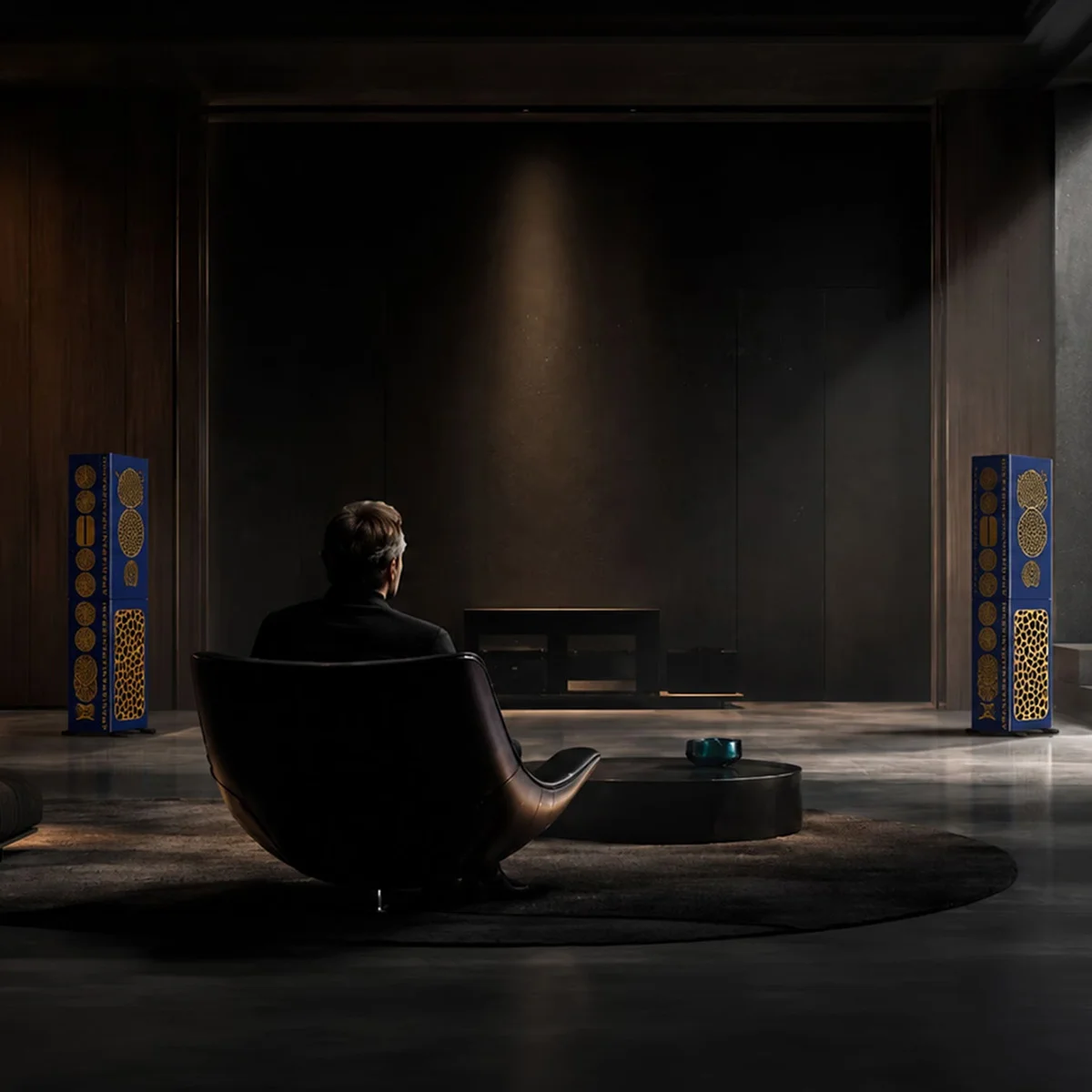
When music arrives in the correct temporal order, spatial information becomes more natural. Voices gain position rather than smearing across the stage. Instruments gain shape rather than mixing into a general texture. The room becomes less confused. Listening becomes calmer and more emotionally direct. This is central to the APANI experience.
Implementation
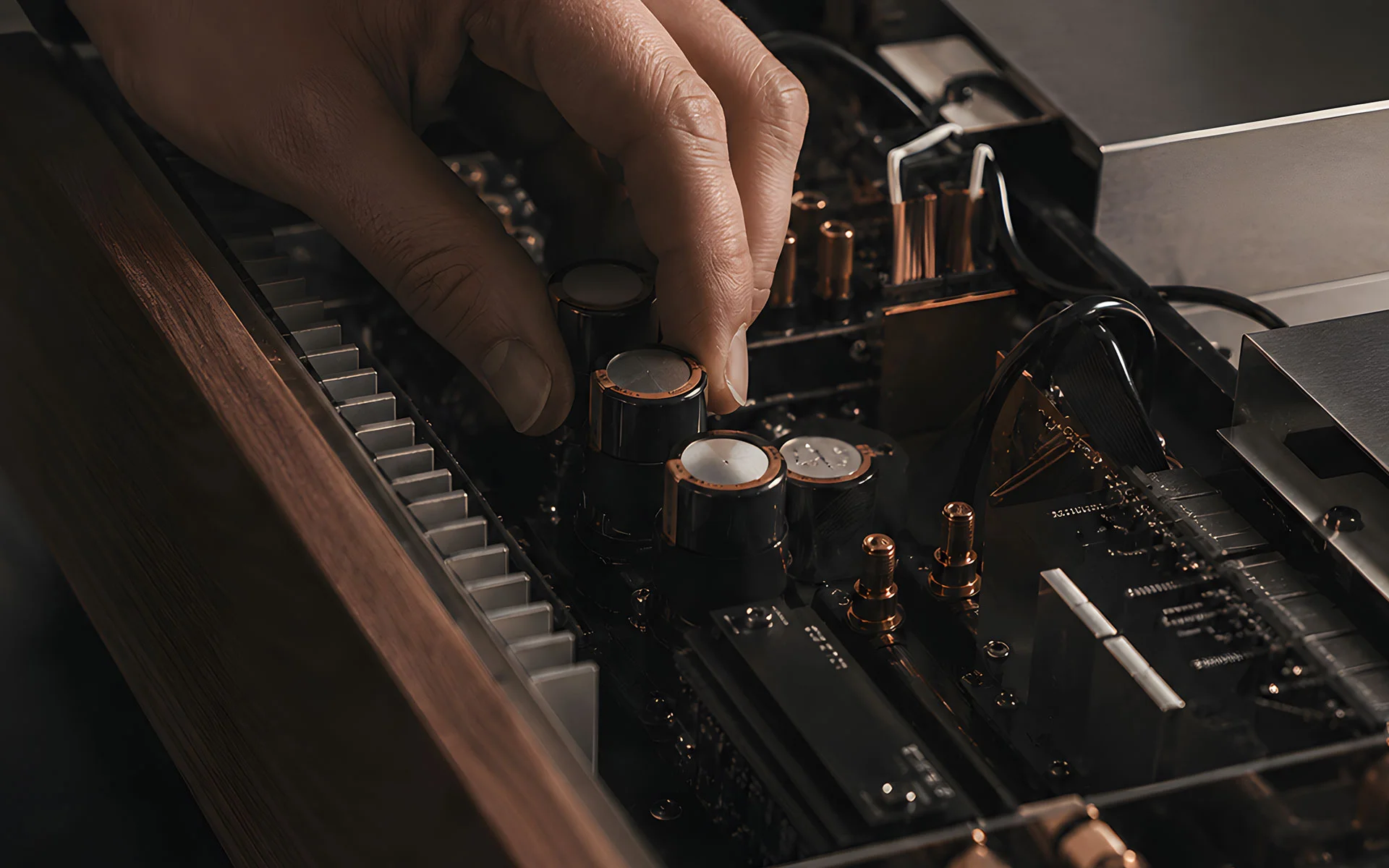
FIRTEC is implemented in hardware as an FPGA based signal path, running 24-bit ADC and DAC conversion and true time alignment across the entire crossover. The processor distributes the music into its respective frequency bands with linear phase, perfect timing, and phase coherent handoffs between drivers. FIRTEC is protected under patent 19823110.
FIRTEC was developed by Johannes Siegler in the mid-1990s and used successfully in studio technology from 1996, then in high end hi-fi from 2000, before being brought into the APANI Music Transformer generation.
Why time correct reproduction matters
Frequency response tells you what the loudspeaker plays. Phase response tells you when it plays it. Human hearing pays close attention to timing, whether or not the listener knows it consciously, which is why timing errors show up as unease, fatigue, or the vague sense that a system is working hard. Correct timing produces the opposite: an ear that relaxes, a stage that locks into place, and music that no longer needs to be analysed to be heard.